Journal / Journal
The Problem With Locking Down a Smartphone
Parental controls for kids' phones sound responsible. In practice, a lobotomized smartphone is still a smartphone — app store, browser, and workarounds included. Here's why filters aren't a first phone.
Thomas O'Connell · July 13, 2026
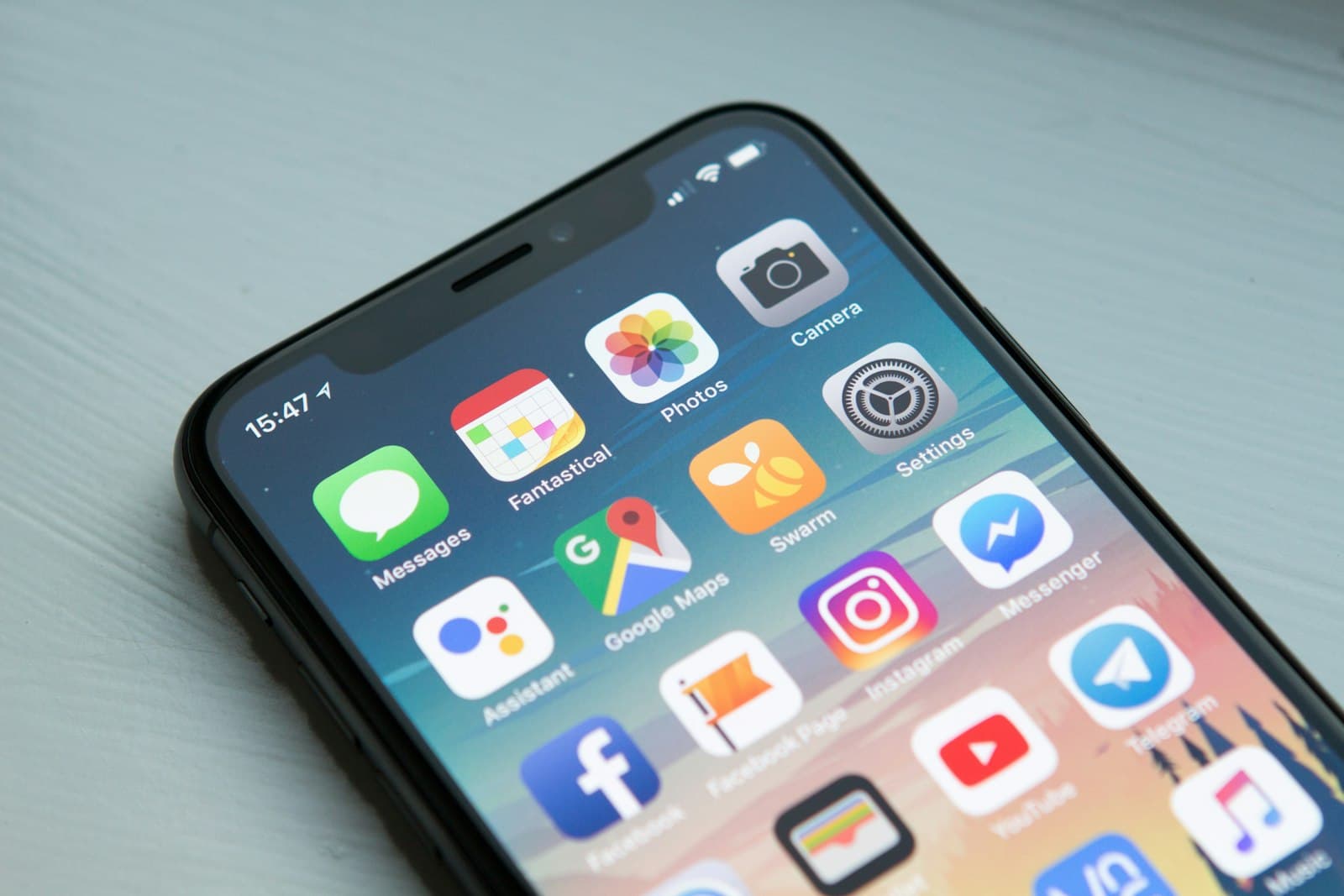
Search "parental controls for kids phone" and you'll find an industry of settings, subscriptions, and screenshots of Screen Time menus. The pitch is comforting: keep the smartphone, subtract the danger. Approve apps. Cap minutes. Block Safari. Sleep Mode at nine.
We've tried that path. A lobotomized smartphone is still a smartphone. The app store is still there. The browser is still there. And trust us — they always find a way around.
Parental controls are a patch, not a product
Controls assume the device is basically fine if you manage it hard enough. That might be true for an adult phone with a few social apps. It is not true for a glass rectangle designed — from the silicon up — to maximize return visits. You are not configuring a tool. You are refereeing a casino.
Every restriction creates a new game: guest modes, secondary browsers, "educational" apps that open YouTube, friends' phones, school Chromebooks, workarounds traded in group chats. Parents who "win" for a week are usually behind again by Friday. The labor never ends. The architecture does not change.
You're paying for what you don't want
Even when the filters mostly hold, the economics are upside down. Storage for apps you'll never approve. A carrier plan for a device that shouldn't be browsing. Software subscriptions to police hardware you already own. You're managing restrictions forever instead of starting with the right device — and you're paying for the wrong category the whole time.
Independence without the internet
Kids don't need less reachability. They need reachability that isn't welded to feeds, strangers, and infinite scroll. Voice. Approved contacts. Quiet hours you set once. Hardware that cannot become a second phone when the rules get boring.
That is why we built Loup — not a stricter smartphone, but a different object. If your search history is full of parental-control tutorials, the problem isn't that you haven't found the perfect setting. It's that you're trying to sand down a product that was never meant to be a first phone.